Spray Chrome vs. Vacuum Metalized Chrome: What’s the Difference?

Spray chrome creates a mirror finish by chemically depositing silver from a two-part solution sprayed onto a basecoated part, while vacuum metalized chrome evaporates aluminum onto parts inside a vacuum chamber. Both deliver a bright, chrome-like appearance without electroplating, but they differ sharply in repeatability, unit cost at volume, and process control. Spray chrome suits very large or one-off pieces; vacuum metalizing is the stronger fit for production runs of molded parts.
How Spray Chrome Works
Spray chrome — also called spray-on chrome or chemical silvering — borrows from mirror-making. The part receives a smooth, catalyzed basecoat, then two aqueous solutions (typically a silver compound and a reducer) are sprayed simultaneously. Where the streams meet on the surface, metallic silver precipitates as a reflective film. After rinsing and drying, a tinted or clear topcoat protects the silver and sets the final color tone.
The appeal is flexibility: the equipment is portable, there is no chamber size limit, and a skilled operator can finish anything from a motorcycle fairing to an architectural feature. The trade-offs are process sensitivity — water quality, mix ratios, ambient conditions, and operator technique all influence the deposit — and silver’s tendency to tarnish if the topcoat is ever compromised.
How Vacuum Metalized Chrome Works
In vacuum metalizing, racked parts enter a vacuum chamber where aluminum is thermally evaporated. The vapor condenses on the parts as a uniform film. A cured basecoat beneath the aluminum promotes adhesion and a topcoat above it delivers abrasion and chemical resistance — clear for bright chrome, tinted for gold, smoke, or custom colors.
Because deposition happens in a controlled vacuum rather than open air, the process is highly repeatable part to part and run to run. Fixturing, not chemistry, is the main variable, and Mueller engineers its fixtures in-house to ensure consistent coverage across every racked part.
Side-by-Side Comparison
| Factor | Spray Chrome | Vacuum Metalized Chrome |
|---|---|---|
| Reflective layer | Chemically deposited silver | Vacuum-evaporated aluminum |
| Environment | Open spray booth | Sealed vacuum chamber |
| Part size limit | Essentially none | Chamber-bound (Mueller: 24" dia. x 60" long) |
| Repeatability | Operator- and condition-dependent | Tightly controlled, run to run |
| Best volume range | One-offs, restorations, oversized parts | Production runs, 50 pieces to millions |
| Tarnish risk | Silver tarnishes if topcoat fails | Aluminum is inherently more stable |
| Unit cost at volume | High — labor-intensive per piece | Low — batch processing on racks |
Which Should You Choose?
Choose spray chrome when the part is too large for any chamber, when you need on-site application, or when the job is a single showpiece where per-part labor cost is acceptable. It is a legitimate craft process in the right hands.
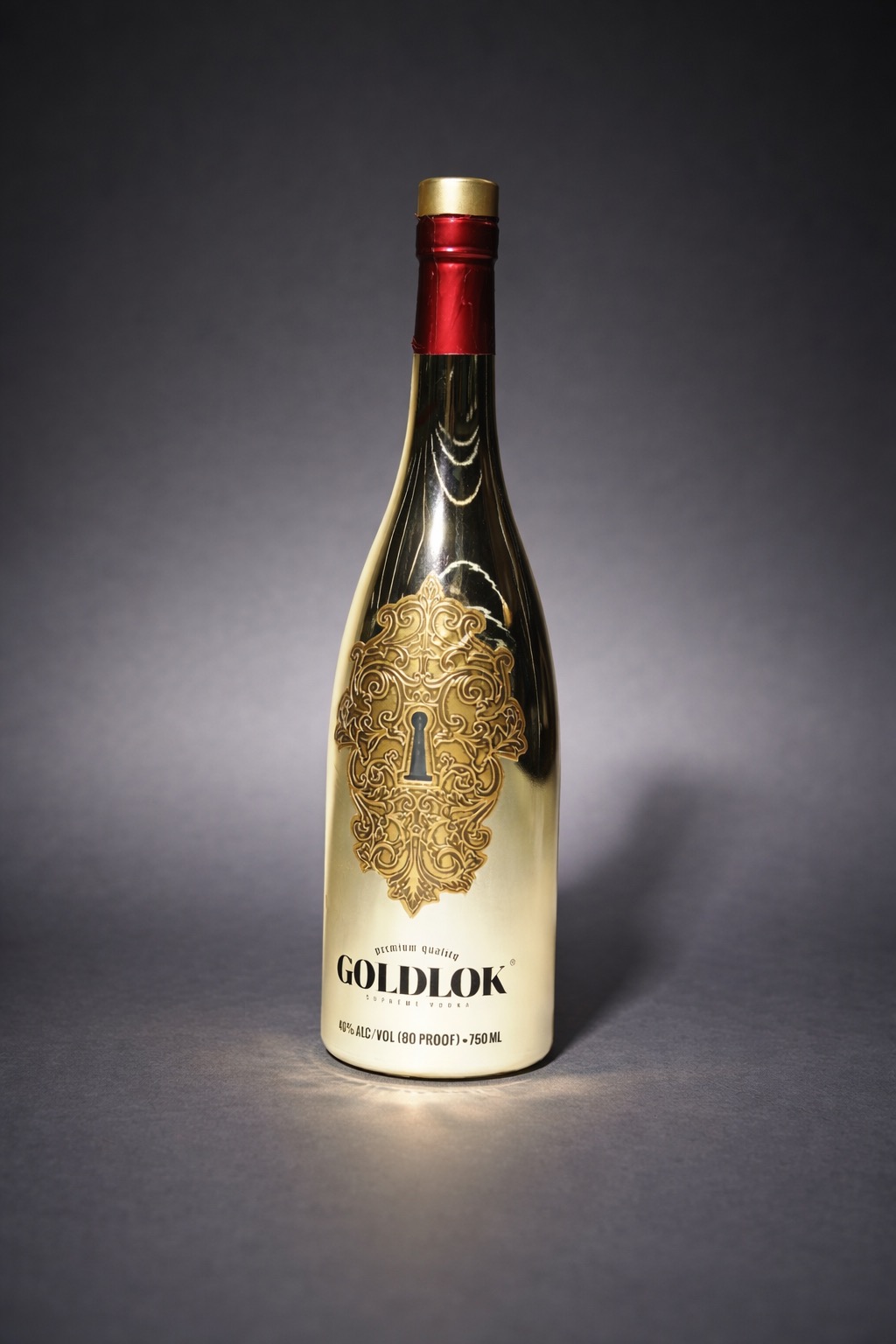
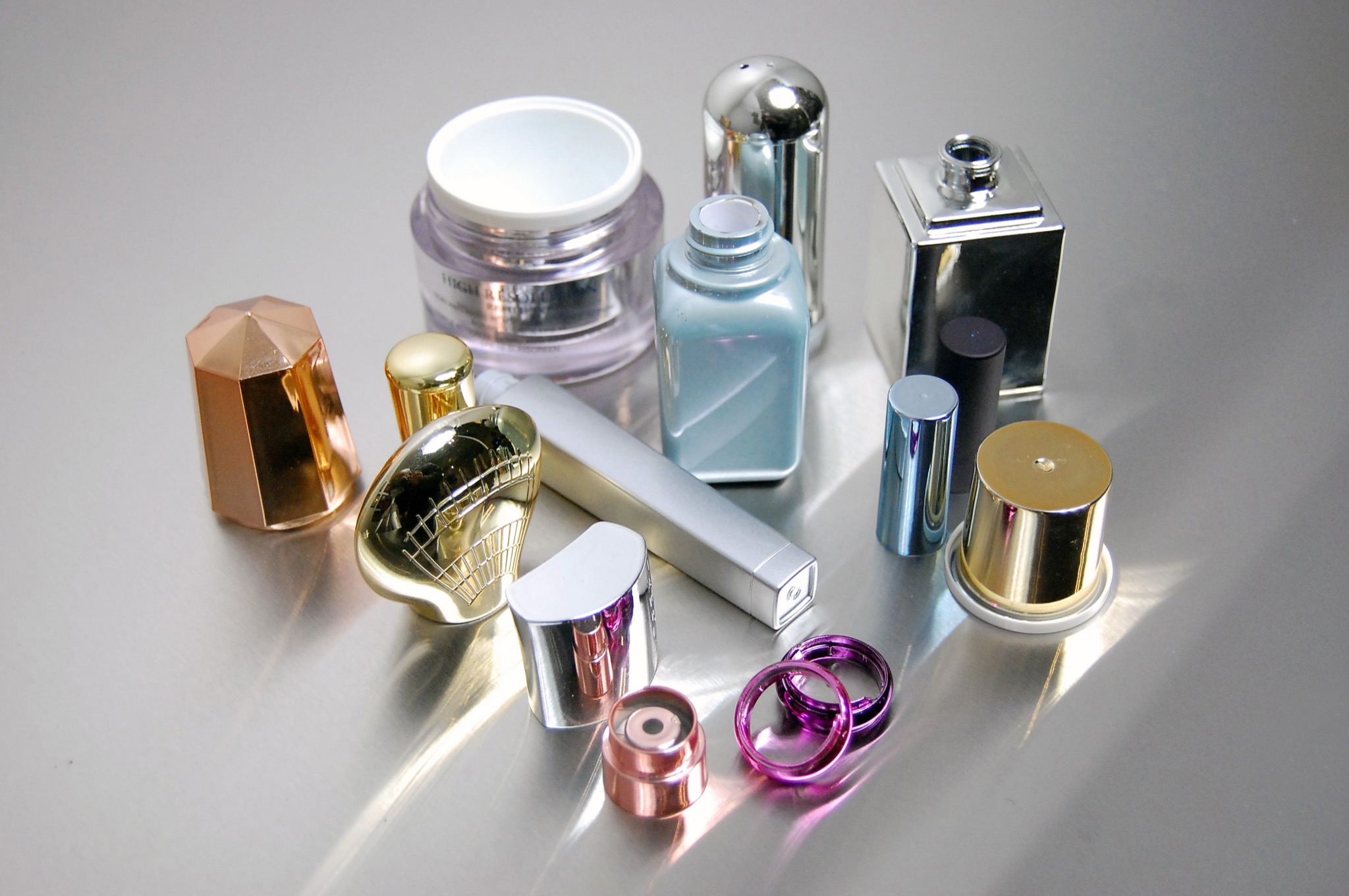
Choose vacuum metalized chrome when you are producing molded parts in quantity and need every part to look the same — consumer product housings, cosmetic caps and closures, lighting bezels, appliance trim. Batch processing keeps unit costs down, the aluminum layer is stable, and topcoat systems can be tuned for the abrasion and chemical exposure the part will actually see. Metalizing also extends beyond decoration: the same process delivers reflective and functional coatings for light reflectors and shielding applications, something spray chrome is rarely specified for.
For parts that need engineered performance layers alongside or instead of a bright finish, Mueller also applies functional spray coatings, including conductive nickel-, copper-, and silver-based systems applied at 1–2 mils (25–50 microns; up to 10 mils) for shielding performance in the 40–80 dB range.
What About Cost?
For a single oversized part, spray chrome is usually the only option, and its per-piece labor cost is simply the price of admission. For production quantities, the economics flip fast: vacuum metalizing processes full racks of parts per chamber cycle, so the effective labor and material cost per part drops as racking density rises. Fixture design is the lever — the more parts coated per cycle without shadowing, the lower the unit price. The crossover point depends on part size and geometry, which is why Mueller quotes from the actual part rather than a rule of thumb.
Work with Mueller Coatings
Mueller Coatings has specialized in vacuum metalizing since 1955, finishing more than 50 million parts a year in East Bridgewater, Massachusetts, with no minimum order quantity. If you are weighing spray chrome against metalizing for a production program, request a quote and we will give you a straight answer on fit, finish, and cost.
Is spray chrome durable?
Durability depends almost entirely on the topcoat and on protecting the silver layer from moisture and sulfur exposure. Well-applied systems hold up in decorative service, but the silver will tarnish quickly wherever the topcoat is chipped or thin.
Is vacuum metalized chrome real chrome?
No — and neither is spray chrome. Both replicate the appearance of polished chromium: spray chrome with silver, vacuum metalizing with aluminum. Metalized aluminum under a clear topcoat reads as bright chrome to the eye on finished parts.
Can either process coat the inside of a part?
Spray chrome reaches anywhere a spray gun can. Vacuum metalizing is line-of-sight, so deep internal bores are shadowed — but rotation and custom fixturing coat recessed and complex exterior geometry evenly.