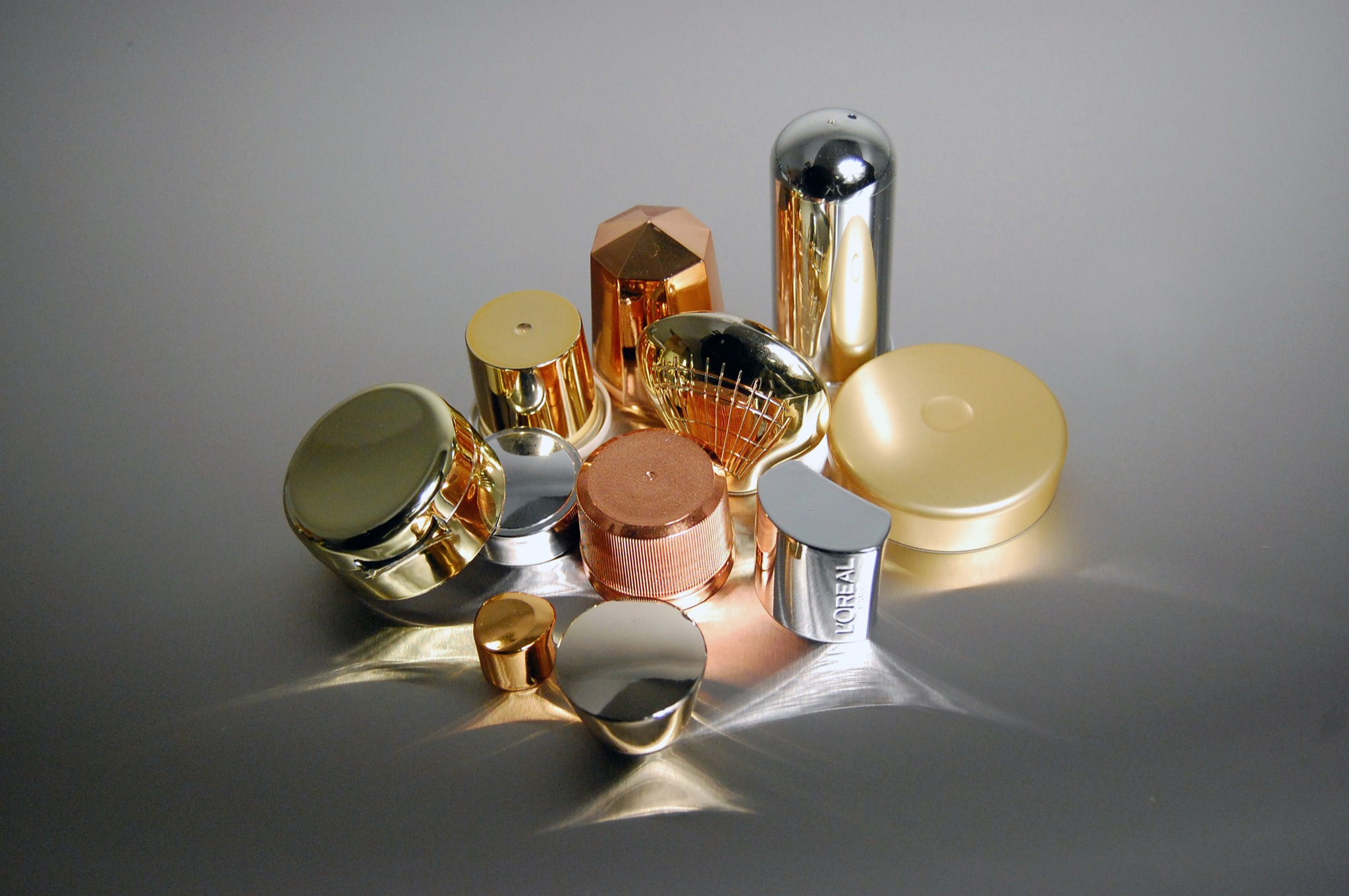
Reflective and Functional Vacuum Metalizing
Functional Vacuum Metalizing Solutions for the Most Demanding Industries
Reflective and Functional Finishes
Mueller Coatings specializes in precise, high-performance vacuum metalized coatings that enhance product functionality and durability. Our technology applies thin, uniform metal layers to a wide range of substrates, creating coatings that provide advanced protection, thermal management, or electrical conductivity. These coatings are ideal for critical applications in industries such as aerospace, automotive, medical, and consumer goods.


Our Reflective and Functional Vacuum Metalizing Offerings
Light Reflective Coatings
Light reflectors are highly efficient, lightweight, and durable components used to enhance the reflection of light in various applications. These reflectors utilize the vacuum metalizing process to deposit a thin, uniform layer of reflective metal onto a substrate, optimizing the direction and intensity of light. providing up to 98% reflectivity through advanced vacuum metalizing and vapor deposition processes. These coatings maximize light efficiency and output, making them ideal for both LED and conventional lighting applications.
Applications of Vacuum Metalized Light Reflectors:
Advantages:
- 1High Reflectivity: Metals like aluminum can achieve reflectivity levels of up to 95%, enhancing brightness and efficiency.
- 2
Lightweight and Durable: Plastic substrates with metalized coatings are significantly lighter than traditional metal reflectors.
- 3Customizable Shapes: Moldable substrates allow for complex geometries to suit specific light dispersion requirements.
- 4Cost-Effective: Vacuum metalizing is more economical than traditional plating or polishing techniques.
- 5Corrosion Resistance: Protective coatings extend the lifespan of the reflector in challenging environments.
Radar Reflective Coatings
Radar reflector vacuum metalizing is a process that involves applying a thin, highly reflective metallic coating to the surfaces of radar reflectors using vacuum deposition techniques. This enhances the radar reflectivity and performance of the reflector, which is crucial in applications like navigation aids, marine safety, and military equipment.
Applications of Radar Reflective Coatings:
Advantages:
- 1High Reflectivity: The metallic layer improves the radar cross-section (RCS) of the reflector, ensuring it is easily detectable by radar systems.
- 2Lightweight and Durable: Vacuum metalizing allows for a lightweight yet durable solution, particularly when applied to lightweight substrates.
- 3Customizable Coatings: The thickness and type of the metal layer can be tailored to specific performance requirements.
- 4Cost-Effective: Compared to solid metal parts, metalized reflectors are more cost-effective and easier to produce in bulk.
Vapor Barrier Coatings
Vacuum metalized vapor barriers are versatile and essential in many industries where moisture and gas protection are critical. When applied to create a vapor barrier, the metalized layer is used to prevent or significantly reduce the transmission of water vapor, oxygen, or other gases through the material.
Applications of Vapor Barriers:
Advantages:
- 1
Effective Barrier Properties: Reduces gas and vapor permeability.
- 2Lightweight: Minimal material is added to the substrate.
- 3Cost-Effective: Less expensive compared to solid metal foils.
- 4Customizable: Thickness and material selection can be tailored to the application.
- 5
Environmental Impact: Some processes involve energy-intensive steps or may generate waste.
Heat Shielding
Vacuum metalizing for heat shielding is a specialized process used to create materials that can reflect or resist heat. This technique is particularly valuable in industries like aerospace, automotive, and construction, where thermal management is critical.
Applications of Metalized Heat Shields:
Advantages:
- 1High Reflectivity: Thin metallic layers (like aluminum) reflect up to 95% of radiant heat.
- 2Lightweight: The process adds minimal weight compared to traditional solid metal shields.
Conductive Path Coatings
Vacuum Metalizing Creates Conductive paths when the metal vapor condenses on the substrate, forming a uniform and thin metallic layer that serves as the conductive path.
Pattern Formation:
Conductive paths are created through masking techniques (physical masks or photoresists) that allow the metal to deposit only in specific areas.
Alternatively, post-deposition etching or laser ablation can define precise conductive patterns.
Applications of Vacuum Metalized Conductive Paths:
Advantages:
- 1High Precision: Enables fine conductive patterns suitable for microelectronics.
- 2Lightweight: Deposits a minimal amount of metal, making it ideal for weight-sensitive applications.
- 3Flexible: Conductive paths can be created on flexible substrates, enabling applications in wearable electronics.
- 4Cost-Effective: Less material waste compared to traditional plating or etching methods.
Vacuum Metalized EMI/RFI Shielding Coatings
Vacuum metalizing is a process in which a metal layer, such as aluminum, is deposited onto the surface of a part within a vacuum chamber. This technique ensures a uniform layer without excessive build-up or deposits, making it a highly efficient solution for various applications.
Multi-Layer Vacuum Coating Applications
Mueller Coatings’ advanced vacuum coating process can be customized to apply various metal combinations, including:
- Copper/Aluminum
- Copper/Stainless Steel
- Copper/Nickel Chrome
Our engineering team is available to develop unique solutions to meet specific shielding requirements. Contact us today to learn more about how our innovative coatings can support your needs.
Key Benefits of Our Vacuum Metalizing Coatings
Partner with Mueller Coatings for Advanced Vacuum Metalizing Solutions
At Mueller Coatings, we are dedicated to delivering innovative, high-quality vacuum metalizing solutions that meet the unique needs of our diverse clients. From enhancing product aesthetics to providing advanced functionality, our coatings are engineered to exceed industry standards. Whether you’re in aerospace, medical, automotive, or any other industry we serve, our expertise and commitment to excellence ensure your products achieve unparalleled performance and durability. Contact us today to explore how our cutting-edge technologies can transform your applications and elevate your business.
Frequently Asked Questions
Contact our experts today to learn more!
Looking to enhance the performance of your components? Let’s discuss your coating requirements.
Industries Served
Mueller Coatings provides tailored coating solutions for diverse industries, ensuring each sector benefits from our expertise in enhancing material performance and longevity. Explore how our coatings meet the unique demands of your industry.

Aerospace

Defense

Medical

Cosmetic

Spirits Packaging

Automotive

Lighting

Sports Equipment and Goods

Electronics & Semi Conductors

Consumer Products

Firearms

Oil and Gas

Point-of-Purchase (POP) Display
Design and Development
News
Stay updated with Mueller Coatings’ latest advancements and industry insights. Our news section highlights breakthrough technologies, successful projects, and strategic partnerships that drive innovation in coating solutions.