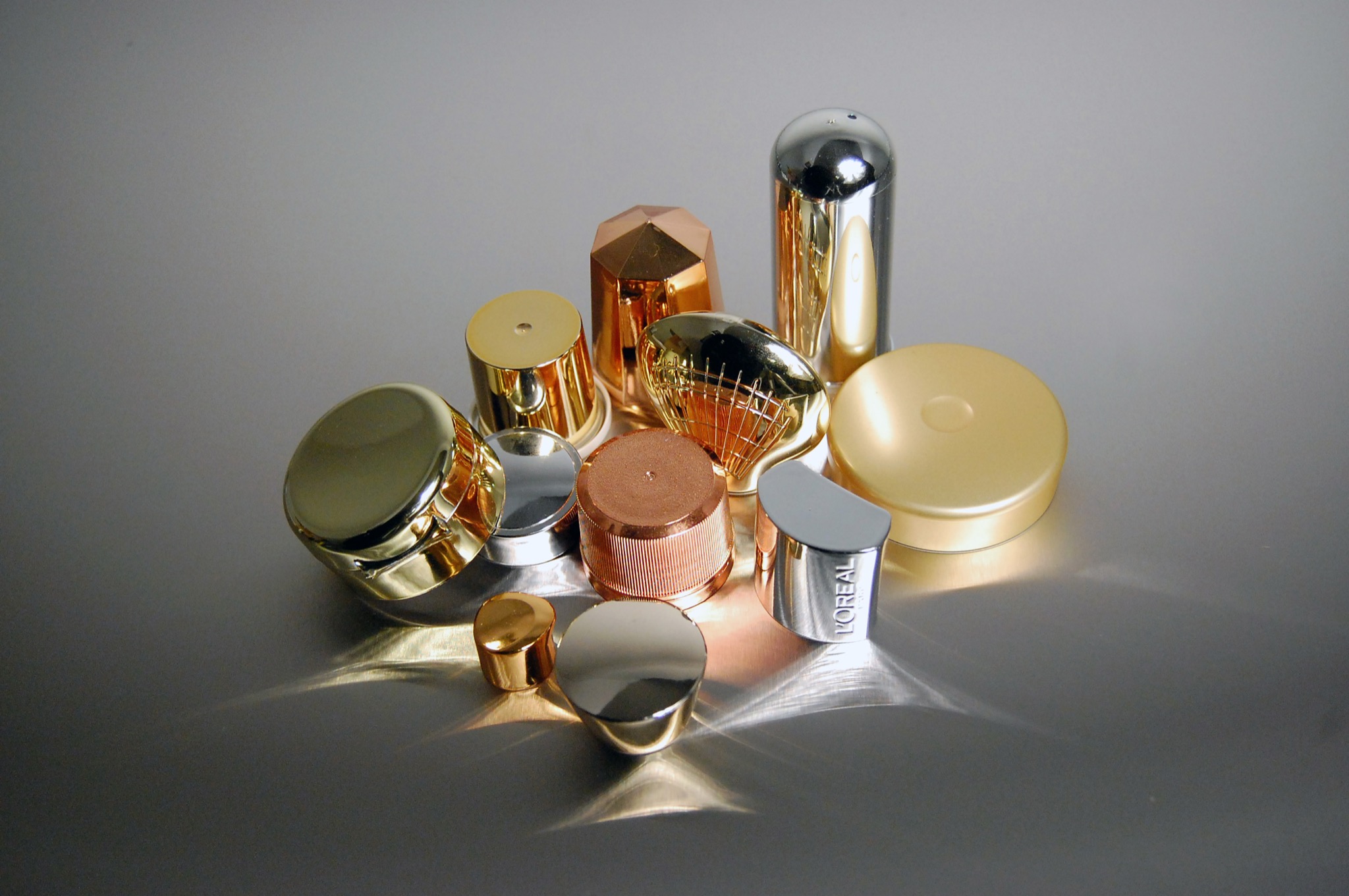
Cerakote Colors and Finishes for OEM Products

Cerakote colors span an extensive palette — deep blacks, earth tones, grays, brights, metallics, and clears — and every one of them carries the same thin-film ceramic durability. For OEM product lines, that pairing is the whole point: you can hit a brand-accurate finish and get abrasion, chemical, and corrosion resistance in the same coat, without the added thickness that pushes parts out of tolerance.
The palette: color families and finish character
The Cerakote line covers the color territory OEMs actually specify. Blacks and graphite tones dominate industrial and firearms work; flat dark earth, olive, and tan families serve defense-adjacent and outdoor products; brights and metallics carry consumer-facing lines; and clear topcoats protect bare-metal or printed surfaces while keeping their look. Sheens run from flat and matte through satin, which suits both glare-sensitive functional parts and premium consumer aesthetics. Mueller maintains a library of more than 50 finishes and can develop toward a brand target when the standard palette is not an exact match — a conversation worth having early through a custom coatings program.
Durability behind the color
Color is easy; durable color is not. Cerakote is a polymer-ceramic composite, so the pigment rides in a film with genuine hardness, abrasion resistance, corrosion protection, and chemical resistance. In practice that means logos and color-coded parts that still look correct after years of handling, solvents, and weather — instead of the chipped edges and worn high spots that give away conventional paint. Because the film is thin, it delivers that protection while preserving part tolerances, so the same finish can go on cosmetic covers and on functional components with mating surfaces. That dual role simplifies a bill of materials: instead of specifying a decorative paint for visible parts and a separate protective treatment for working parts, one coating system covers both, applied and documented by one supplier.
Consistency across production runs
For an OEM, the color question is really a consistency question: will unit 40,000 match unit 40? That depends on the applicator, not the color chart. As a Cerakote Certified Applicator running high-volume automated lines, Mueller controls surface preparation, mix ratios, film thickness, and cure schedules as documented process steps, and builds fixtures in-house so masking and coverage repeat exactly from run to run. With no minimum order quantity, the same controlled process covers pilot builds of 50 pieces and programs running to millions — more than 50 million parts move through the facility annually.
Where OEMs use Cerakote color
Firearms
The category that made Cerakote famous. Slides, frames, barrels, optics housings, and accessories get durable color — from classic blacks to distinctive brand colorways — with the wear and corrosion resistance the platform demands, in a film thin enough for slide-to-frame fit.
Industrial hardware
Tools, enclosures, brackets, and equipment components use Cerakote for color-coding, brand identity, and corrosion protection in one operation. A colored ceramic film survives job-site abrasion and chemical exposure that would strip painted markings.
Consumer products
Sporting goods, knives, personal electronics housings, drinkware, and outdoor gear lean on the palette’s brights and metallics for shelf appeal, with scratch and chemical resistance that keeps the product looking new through daily handling.
Cerakote or another decorative process?
Cerakote is the right tool when durable, opaque or metallic color in a thin film is the goal. When the design calls for a true mirror-bright chrome look, decorative vacuum metalizing with tinted topcoats is usually the better route. Many product lines use both across different SKUs, and an applications engineer can map which parts belong to which process.
When specifying, give your coating partner three things: a color standard (physical chip or referenced Cerakote color code), the sheen expectation, and the exposure environment the finish must survive. Those three inputs, plus substrate and masking requirements, are enough to lock a finish specification that purchasing can hold every supplier to for the life of the product.
Work with Mueller Coatings
Mueller Coatings has finished parts since 1955 from its 65,000 sq. ft. facility in East Bridgewater, Massachusetts, and applies Cerakote as a Cerakote Certified Applicator on automated production lines. Bring your color target, substrate, and volumes, and we will help you lock in a finish your product line can hold for years. Request a quote to get started.
Frequently asked questions
Can you match our brand color?
Often, yes. Between the extensive standard Cerakote palette, Mueller’s 50-plus finish library, and custom development, most brand targets can be reached — send a physical or digital color standard with your inquiry.
Does color choice affect durability?
The protective performance comes from the polymer-ceramic film itself, so the palette can be chosen on aesthetic and identification grounds; discuss any extreme-exposure application with an applications engineer when selecting a series.
What order sizes can be color-coated?
There is no minimum order quantity — runs from 50 pieces to millions are processed on the same documented, automated lines, so color stays consistent from pilot build to full production.