
Metalized Spirits Closures That Survive the Back Bar
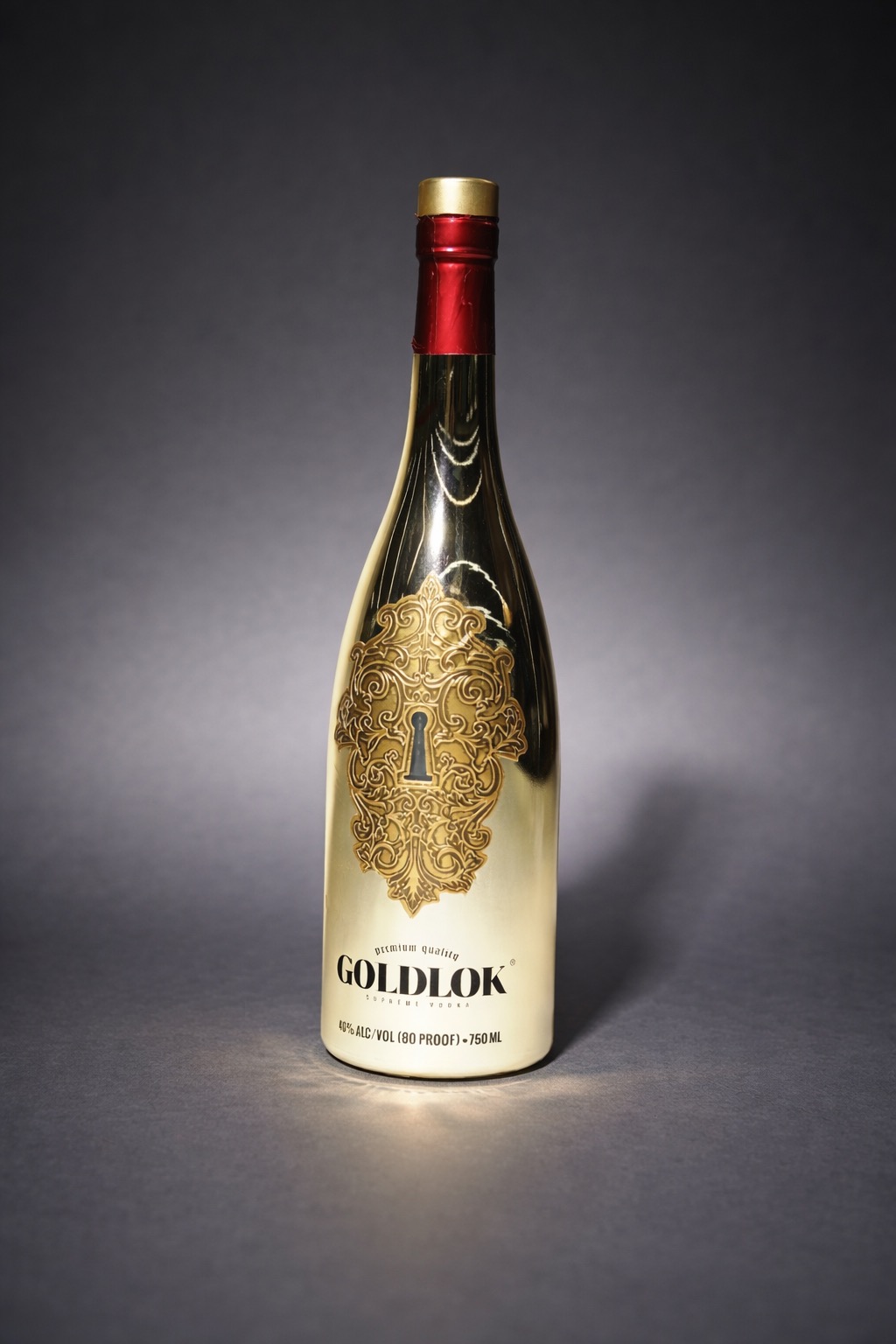
A spirits closure is often the first thing a customer touches and the last thing a bartender reaches for. It has to carry the brand on the shelf — bright chrome, warm gold, black chrome — and then survive shipping, back-bar handling, wet hands, and hundreds of twists without scuffing, peeling, or dulling. Vacuum metalizing, paired with the right basecoat and topcoat, is how premium spirits brands get a true metallic finish on lightweight plastic closures without the cost and weight of metal or plating.
What a Spirits Closure Has to Survive
- Handling and abrasion. Case packing, distribution, shelf stocking, and constant consumer handling all rub against the finish.
- Twisting and grip. Knurled and textured grip areas see the most wear, every time the bottle is opened.
- Moisture and contact. Condensation, ice buckets, wet hands, and cleaning on the back bar.
- Brand consistency. The color and shade of this season’s closures have to match last season’s — and match across millions of parts.
A closure that scuffs or dulls after a few weeks on the back bar undercuts the premium positioning the brand paid for. That is why durability is designed in through the coating stack, not left to the metal layer alone.
How a Metalized Closure Finish Is Built
Basecoat
A spray-applied basecoat promotes adhesion to the molded closure and gives the metal a uniform surface to deposit onto. It does not compensate for surface defects: the finished look starts with the quality of the molding.
Vacuum metalized layer
Inside a vacuum chamber, aluminum is evaporated and deposited as a thin, bright layer that gives the closure its chrome depth — on plastics that could never be electroplated directly, with essentially no added weight.
Protective and tinted topcoat
The topcoat carries the durability and the color. Tinted topcoats over the metal create gold, bronze, copper, colored chrome, and black chrome or gunmetal effects from the same metalized base, and gloss can be tuned from full mirror to satin. Specifying the topcoat for your closure’s handling and exposure is the decision that matters most, and it is where an applications engineer should be involved early.
Finishes Spirits Brands Specify
| Finish | Typical use |
|---|---|
| Bright chrome | Classic premium vodka, gin, and tequila closures |
| Satin chrome | A softer, modern metallic that hides fingerprints |
| Gold, bronze, and copper | Aged spirits, limited editions, and celebration packaging |
| Black chrome and gunmetal | Bold, contemporary brand lines |
| Soft-touch and textured spray finishes | Tactile closures that pair with a metallic accent |
Mueller maintains a library of 50+ finishes, plus custom color matching, so brand teams can start from a physical sample rather than a blank page. Our decorative caps and closures page shows finishes in production.
Built for Brand Volumes
Spirits programs move fast and run big. Mueller’s automated decorative lines are built for small-format packaging components at high volume, with vacuum metalizing, custom tinting, matte and gloss finishes, specialty clear coats, and UV-cure inline coatings. There is no minimum order quantity — from 50-piece prototype runs for a brand review to millions of parts in production — and all fixtures are designed and built in-house. Finished closures are returned ready for assembly and filling.
It is a model proven with brands including Tito’s Handmade Vodka: see how Mueller became a trusted partner in vacuum metalizing for TricorBraun and Tito’s Vodka.
Frequently Asked Questions
Why metalize plastic closures instead of using metal caps?
Metalized plastic gives the look of metal with lower weight and cost, molded-in grip and shape details, and a far wider range of colors and effects than bare metal.
Can you match an existing brand color?
Yes. Dyes in the protective topcoat allow custom colors over the metalized base, and production samples are reviewed against your standard before a run.
Do you only coat plastic closures?
No. Molded plastics are most common, but glass and 3D-printed packaging components can also be finished.
Work with Mueller Coatings
Mueller Coatings is a third-generation, family-owned finisher that has been coating parts in East Bridgewater, Massachusetts since 1955. Send us your closure, your target finish, and your volumes through our quote request form, and our team will recommend a finish stack and sampling plan.


